European Flights Diverted After Wave of False Bomb Threats
Officials in Britain and the EU described the incidents as malicious hoaxes, with no hazardous materials found during inspections.
By William Turner ·
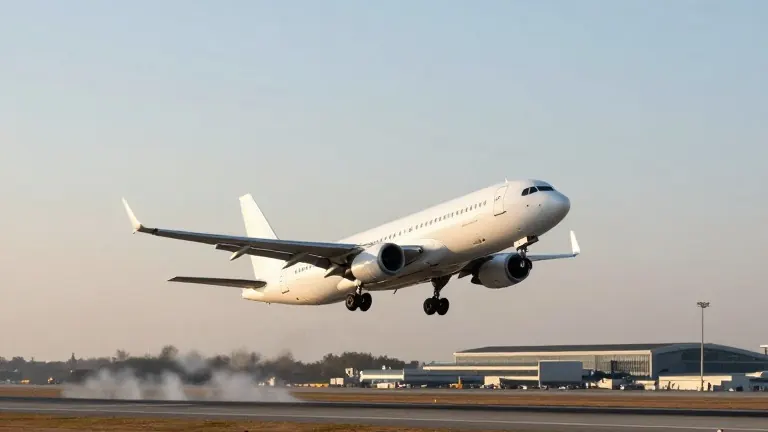
More than a dozen flights in Europe faced bomb threats on Thursday, prompting emergency landings and military escorts, authorities said.
A British official labeled the incidents "malicious" hoaxes. No hazardous or suspicious materials were found in any of the targeted aircraft. The disruptions occurred after a similar series of threats targeted planes earlier in the week.
An email sent to airlines contained threats from a group identifying as anti-feminist. Airport officials in Rome and another European city received messages using similar language. It remained unclear if a single group sent all the threats or what specific outcome they sought.
The threats arrived during a period of heightened geopolitical tension. Authorities have warned that Russia may be increasing hybrid threats across the continent. The timing raised questions about the coordination of the incidents.
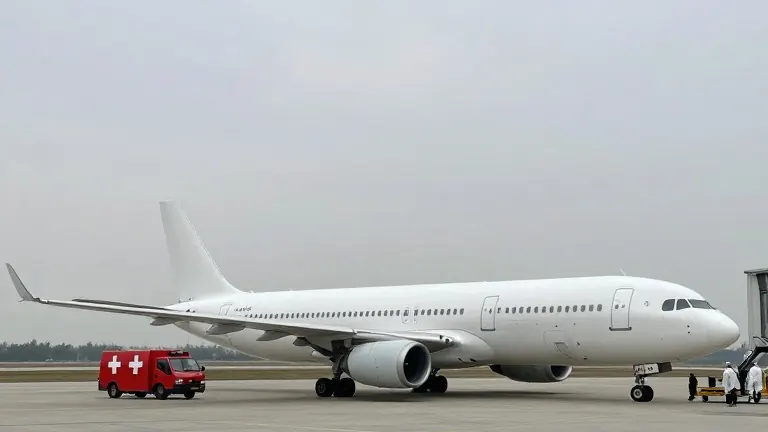
An Aer Lingus flight from Dublin to Rome was diverted to a military air base in Evreux, France. French Prime Minister Sébastien Lecornu’s office said the pilot did not cooperate as expected with authorities. Warplanes intercepted the jet, which landed safely while the base remained on high alert. Military bomb disposal teams with dogs examined the aircraft on the tarmac.
Italian and Croatian fighter jets escorted a Finnair flight from Helsinki to Rome. Croatia’s defense ministry said one of its planes intercepted the commercial jet before handing it off to Italian forces. Finnair stated that two of its flights faced "unfounded hoax bomb scares." A separate flight from Helsinki to Vienna landed safely and returned to service after inspection.
Three Ryanair flights bound for Sofia, Bulgaria, also received military escorts. Two aircraft from Copenhagen and Madrid landed safely in Sofia. A third plane from London was diverted to Plovdiv, the country’s second-largest city. Plovdiv Airport CEO Krassimir Peshev confirmed the safe landing.
Experts and officials noted the financial and operational impact of the disruptions. Philip Baum, a visiting professor at Coventry University, estimated each flight disruption could cost airlines up to $250,000. The costs include crew overtime, replacement staff, and missed passenger connections. Jacob Funk Kirkegaard of the Bruegel think tank said the threats were stress-testing government responses and sowing uncertainty about air traffic reliability.