Florida voters turn to governor and House as Senate seat rests
Pinellas County residents cast ballots for an open governor's race and congressional districts, while the state's U.S. Senate seat remains unoccupied until the next cycle.
By William Turner ·
Pinellas County voters concluded a pivotal election day Tuesday, November 3, 2026, with a focus on state leadership and congressional representation. Polls in the county, which spans towns such as St. Petersburg, Clearwater, Largo, and Pinellas Park, operated from 7 a.m. to 7 p.m., accommodating the state's division between Eastern and Central time zones. The ballot featured an open race for governor, as no incumbent sought re-election, alongside every U.S. House seat in Florida and various local offices. The absence of a U.S. Senate race in the state this year meant that the state's influence in the upper chamber would remain static while voters decided the direction of state government and local representation.
The governor's race was a central component of the state's ballot, with candidates from the Democratic, Libertarian, No Party Affiliation, and Republican parties competing for the top executive position. This contest stood out as a significant test for state politics, given the open nature of the seat. Voters in Pinellas County, a heavily populated suburban and coastal region, played a key role in shaping the outcome. The race offered a direct opportunity for residents to choose a leader who would oversee state agencies, manage budgets, and address local issues affecting communities across the county. The presence of multiple parties on the ballot reflected the diverse political landscape of Florida, where voters have increasingly shown a willingness to consider candidates beyond the two major parties.
In the U.S. House races, every seat in Florida was on the ballot, allowing voters to reset the state's delegation in Congress. This full turnover of congressional seats in the state was a notable feature of the 2026 midterms. In Pinellas County, the local congressional districts included portions of the county that stretch from the coastal cities to the inland suburbs. The results of these races would determine the state's representation in the lower chamber, with implications for federal funding and policy that directly impact local infrastructure, healthcare, and education. The intensity of these campaigns was evident in the local outreach efforts, as candidates sought to secure the votes of residents in key swing areas within the county.
While the state did not hold a U.S. Senate election, the national context of the midterms was still felt in local polling places. The election took place on a Tuesday, a tradition that has been standard for federal elections. The timing of the polls, closing at 7 p.m., ensured that voters across the state's two time zones had an equal window to cast their ballots. In Pinellas Park, a central hub of the county, local officials reported steady turnout throughout the day. The lack of a Senate race meant that the state's two seats in the upper chamber would be held by the same individuals until the next appropriate election cycle, allowing voters to focus their energy on the governor and House races that were directly on the ballot.
Local elections also formed a significant part of the ballot in Pinellas County. Offices such as school boards and municipal government positions were contested, reflecting the local nature of many of the decisions that affect daily life. Voters in St. Petersburg and Clearwater had the opportunity to choose leaders who would manage city budgets, public works, and local services. These races often involve lower name recognition but high stakes for community development. The inclusion of local ballot measures further allowed voters to weigh in on specific policies and initiatives proposed by local governments. The variety of offices on the ballot ensured that residents could influence governance at multiple levels, from the county to the city hall.
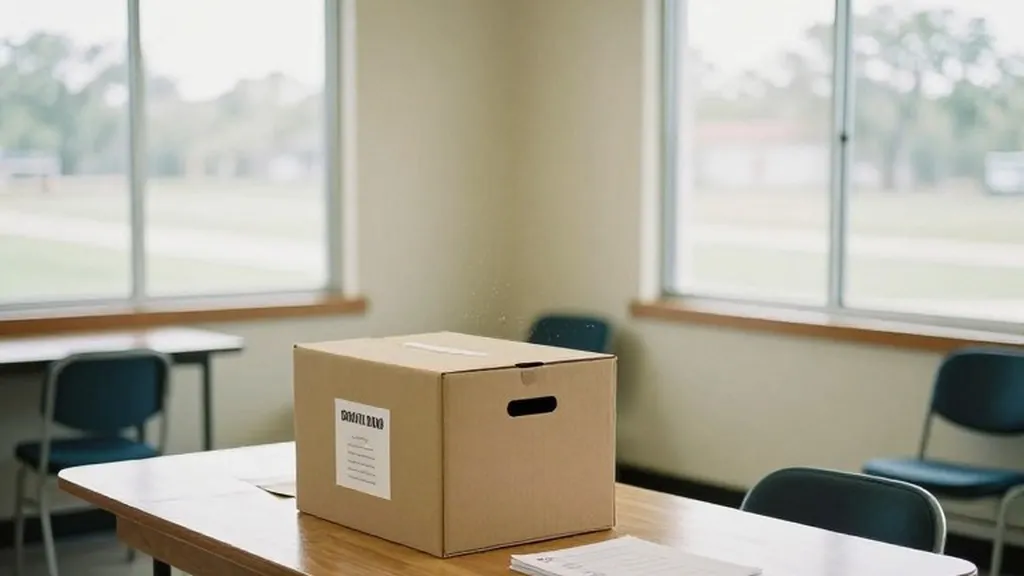
The election day proceeded with standard procedures, with voters checking in at their designated polling places. The state's election infrastructure handled the volume of ballots cast across the diverse communities of Pinellas County. The open governor's race was a focal point for many voters, who sought a new direction for state leadership. The candidates' platforms addressed a range of issues, from economic development to public safety, resonating with the concerns of residents in both urban and suburban areas. The Libertarian and No Party Affiliation candidates offered alternative perspectives, appealing to voters who preferred candidates outside the traditional partisan framework.
As the polls closed at 7 p.m., the attention turned to the counting of ballots and the reporting of results. The full turnover of House seats in Florida meant that the outcome of each district was closely watched. In Pinellas County, the results would contribute to the broader picture of the state's congressional delegation. The governor's race, being open, invited a fresh mandate for the state's executive branch. The absence of a Senate race simplified the statewide ballot, allowing voters to concentrate on the leadership of the state government and the representation of their local districts in the House. The election marked a significant moment for Florida politics, as voters exercised their right to shape the future of their state and local communities.
The results of the 2026 midterms in Florida would have lasting implications for the state's political landscape. The new governor, once determined, would take office with a mandate to implement their vision for the state. The newly elected House members would join the state's delegation in Congress, working on federal legislation that affects Florida. The local officials elected in Pinellas County would begin their terms, ready to address the specific needs of their communities. The election day served as a reminder of the importance of local participation in the broader political process. With the polls now closed, the focus shifts to the official certification of results and the transition of power in the state and local governments.