Polls Point to Democratic Gains as Trump's Approval Hits Record Low
A new survey indicates 38% of voters say their finances have worsened, a factor that historically leads to seat losses for the president's party.
By William Turner ·
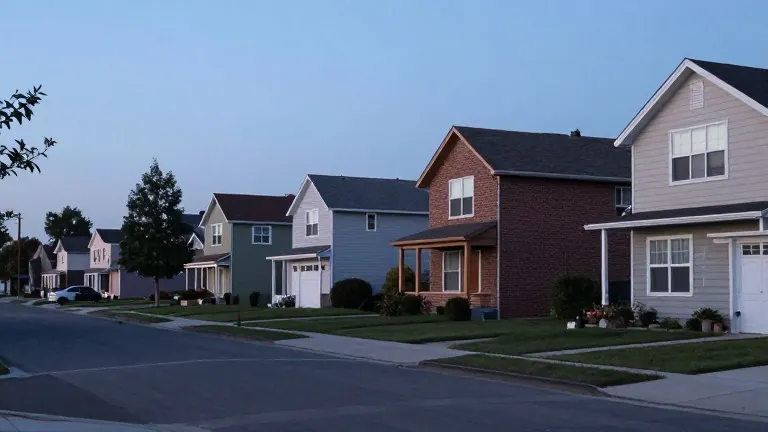
Thirty-eight percent of Americans report that their economic situations have worsened, according to a new NPR/PBS News/Marist poll released in late 2026. The survey found that only 15% of respondents said their finances had improved. The remaining 44% said their financial status had mostly stayed the same.
President Trump faces record-low approval ratings as prices continue to rise. His administration implemented tariffs and engaged in a war with Iran, two policies that directly increased the cost of goods and energy. Voters are blaming the president for these economic pressures. The administration also pursued hard-line immigration enforcement and cuts to domestic spending programs, including Medicaid.
Historical data suggests the Republican Party will lose seats in the upcoming midterm elections. Since World War II, the president's party has gained House seats only twice in midterm years. When a president's approval rating falls below 50%, their party loses an average of 35 seats. When approval is above 50%, the average loss is 15 seats. Trump's approval rating is currently below that 50% threshold.
Democrats have performed well in recent off-year elections and special elections. These results are often indicators of performance in midterm cycles. The political environment has shifted further against Republicans due to high gas prices resulting from the conflict with Iran. Democrats are favored to win control of the House. They are also close to winning the Senate, a position that was considered unlikely at the start of the cycle.
Structural factors limit the potential size of Democratic gains. The Cook Political Report identifies about 30 fewer competitive districts this year than in 2018. Mid-decade redistricting has also provided an advantage to Republicans. An NPR analysis estimates that Republicans netted an eight-seat advantage from redistricting efforts. This margin could shrink if Latino voters in South Texas turn out in large numbers.
The Democratic Party faces internal challenges. Self-identified democratic socialists are highly engaged in this election cycle. In the latest poll, 44% of respondents said their vote was a vote against Trump. Twenty-one percent said their vote was for him. This group may vote in high numbers to check the president's power. However, conflicts over ideology and approach are expected among left-leaning candidates as the 2028 presidential primaries approach.
Republican turnout will determine the final outcome. Trump has campaigned in red states to encourage his base to vote. A low turnout for Republicans could allow Democrats to turn a one or two-seat Senate gain into a six or seven-seat majority. Republicans admit privately that Trump is a double-edged sword. He is necessary for the base but toxic to swing voters.
Many states and districts will be called on election night, but some races will remain close. Party control of the Senate may not be known for days or weeks. A quarter of Republicans in the latest poll said their candidate should likely not accept the results if they are close. Trump has begun preparing claims of election irregularities. He made similar claims after the 2020 election, which preceded the January 6 Capitol siege.