Split-second flag throw secures Denver win in replay dispute
A challenge issued before the ball was snapped triggered an interception call that turned a close contest into a 26-21 victory for the Broncos.
By Jonathan Reed ·
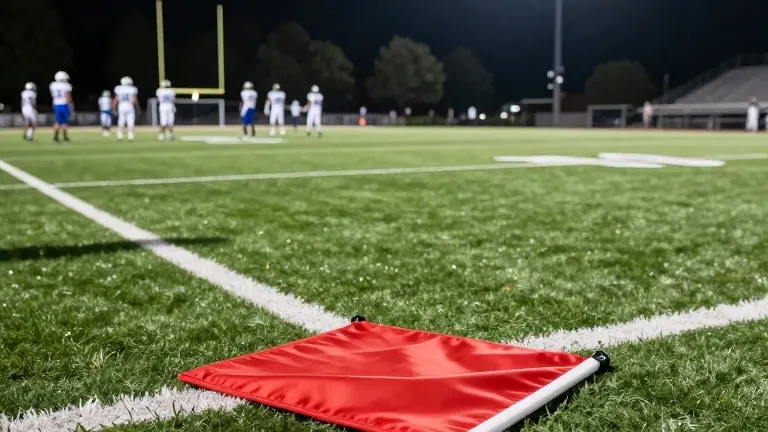
Denver Broncos coach Sean Payton tossed a red challenge flag onto the field seconds before Carolina Panthers quarterback Bryce Young snapped the ball, a split-second decision that resulted in a game-changing interception and a 26-21 victory for Denver. The play occurred late in the third quarter with the Panthers facing a second-and-goal at the one-yard line. Payton acted on a directive from Evan Rothstein, the team's director of game management, who monitored replays and urged the coach to challenge the initial incompletion call.
The sequence created a unique procedural issue because the challenge was technically thrown before the next play began. Officials consulted the NFL officiating office in New York to determine if the flag was in the air prior to the snap. Mark Butterworth, the NFL vice president of instant replay, confirmed that camera angles showed the flag was deployed before the ball moved, allowing the challenge to stand.
The replay review overturned the first down incompletion and awarded Denver an interception. This call shifted momentum decisively. Denver scored on its next two possessions to take control of the game. The Panthers attempted a late comeback, but their drive ended when Nik Bonitto sacked Young, sealing Denver's fifth consecutive win.
The interception itself was the product of a close contest between players. Young threw a pass to the left corner of the end zone intended for tight end Tommy Tremble. The ball struck Tremble in the hands twice, the second time while he was lying on his back. Replays indicated the ball never touched the ground. Broncos safety Devon Key bent over and secured the ball before it hit the turf, resulting in the turnover.
Carolina fans booed the call, believing linebacker Justin Strnad made contact with Tremble before the catch. However, officials on the field did not call pass interference. Referee Alan Eck explained that the defenders and receiver arrived at the spot simultaneously. He described it as a bang-bang play where the timing was acceptable under the rules.
Payton expressed confidence in the process despite the risk of losing a timeout. He stated that New York could verify the timing of the flag throw. He noted that feedback from the replay room can be slower in some broadcast environments, but the confirmation arrived in time to affect the game outcome.
Panthers coach Dave Canales accepted the officials' ruling. He said the league confirmed the flag was thrown before the snap. Canales stated he had to go on their word regarding the timing of the event.
Tremble said after the game that he believed the whistles were blown to check for pass interference. However, NFL replay rules prevent officials from enforcing penalties that were not called on the field initially. Key said he knew he caught the ball and his first instinct was to run it out of the end zone, but the play was blown dead.
The broadcast on CBS did not show replays comparing the timing of the flag throw to the snap. The incident added an unusual layer to a standard defensive stop. Denver's next possession saw them extend their lead, and they maintained control until the final whistle.
After the game, Payton awarded game balls to both Rothstein and Key. The quick decision by the assistant staff and the sharp play by the safety combined to secure the win. The Panthers dropped to a lower position in their division following the loss.