Hydroxyapatite Toothpaste Costs More But Offers Similar Protection to Fluoride
New studies show the mineral alternative performs like fluoride, yet experts still recommend the cheaper, better-researched option for most patients.
By Grace Anderson ·
The Centers for Disease Control and Prevention state that adding fluoride to public drinking water reduces cavities by 25 percent. This statistic anchors a growing debate in dental offices across the country, where patients are increasingly asking about alternatives to the standard white paste. Dentists report a surge in inquiries regarding hydroxyapatite, a calcium phosphate mineral that has gained traction through social media marketing and influencer endorsements.
Dr. Jin-Ho Phark, an associate professor of clinical dentistry at the University of Southern California, notes that the shift is visible in his practice. "There's a lot of interest from the patients," Phark says. "I hear that also regularly from students." The momentum behind these products is partly fueled by public skepticism toward fluoride, a stance amplified recently by Health Secretary Robert F. Kennedy Jr., who has linked water fluoridation to various health issues ranging from arthritis to neurodevelopmental disorders.
Fluoride toothpaste has been the standard since Procter & Gamble released Crest nationally in the late 1950s. The mineral helps protect tooth enamel by remineralizing it with calcium and phosphate. Dr. Livia Tenuta, a dentist at the University of Michigan, explains that fluoride acts as a shield for the enamel. "When [fluoride is] available in our saliva.. that fluoride that is left over after brushing with the fluoride toothpaste will actually bring minerals back to the tooth," Tenuta says.
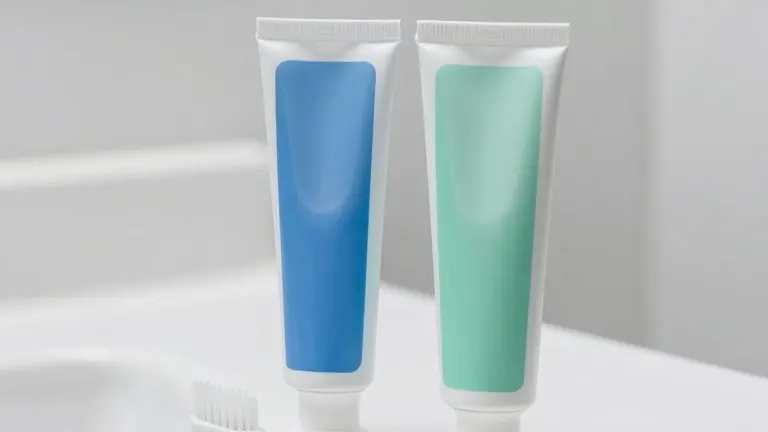
Hydroxyapatite works differently. The material is chemically similar to tooth enamel and is often used in nano form, with particles small enough to potentially penetrate tiny crevices in the tooth surface. Proponents argue it offers cavity protection and whitening without the use of fluoride. However, the scientific consensus on its long-term efficacy is still developing. Bennett Amaechi, a professor of dentistry at the University of Texas at San Antonio, points to a 2021 study published in Scientific Reports. The study followed 177 children for nearly a year and found that hydroxyapatite toothpaste prevented caries just as effectively as fluoride toothpaste.
Amaechi was an author on that research, which received funding from Dr. Wolff Group, a German manufacturer of hydroxyapatite products. A subsequent 2023 study in Frontiers in Public Health tracked 171 adults over 18 months with similar results. Despite these positive findings, experts caution that the evidence base is thinner than that for fluoride. Tenuta notes that many studies have focused on participants with low risk for tooth decay. "There are very few studies and they recruited participants of low caries risk," she says.
The American Dental Association acknowledges that some evidence supports the remineralizing capabilities of hydroxyapatite products. Dr. Ada Cooper, a spokesperson for the ADA Consumer Advisor, wrote in an email that the evidence regarding clinical effectiveness "remains limited and ambiguous." The organization continues to recommend brushing twice daily with fluoride toothpaste. For consumers choosing between the two, price is a differentiator. Hydroxyapatite pastes often cost more than a dollar per ounce more than their fluoride counterparts.
Amaechi advises patients who are open to both options to choose fluoride due to the extensive body of long-term research available. "I will advise them to use fluoride because fluoride has more evidence supporting its efficacy," he says. Tenuta agrees, recommending fluoride as the best option for the general population. The debate continues as dentists monitor the growing market for mineral-based alternatives.