Paraguay's President Steps Down After Bank Collapse Strands Savings
Santiago Peña resigned after Ueno Bank failed, leaving millions of customers without access to funds and triggering a unified vote for impeachment in the lower house.
By Jonathan Reed ·
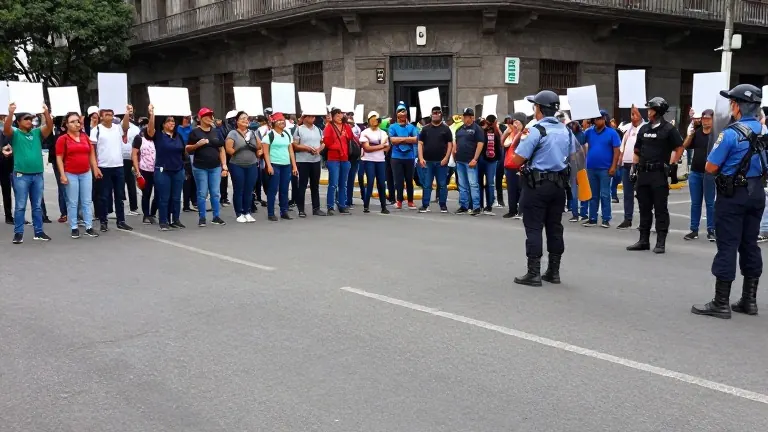
Paraguayans lost access to their savings this week when Ueno Bank, a major digital lender, was taken over by the central bank. President Santiago Peña announced his resignation on Thursday to preserve the country's stability. The move followed three days of protests in the capital, Asunción, where citizens demanded answers over the sudden failure of an institution that held deposits from millions of residents.
Peña, a 47-year-old economist who previously worked for the International Monetary Fund, posted a video on X confirming his decision to leave office. He stated that he believed no position should be placed above the well-being of Paraguay. The lower house of Congress voted unanimously, 78 to 0, to begin impeachment proceedings against him. This vote included support from members of his own Colorado Party, who joined the opposition after days of street demonstrations. The impeachment process now moves to the Senate, where a two-thirds majority is required for removal.
Vice President Pedro Alliana is next in line for the presidency. He will serve until August 2028. The crisis stems from Peña's financial ties to Ueno Bank. Until last year, he held a stake in the company's parent entity. He also appointed Carlos Carvallo, the head of Ueno's predecessor, to lead the central bank that supervises the institution. Eight executives from Ueno Bank have been detained, including Chairman Juan Manuel Gustale and CEO Federico Miguel Vázquez, a former business partner of the president.
By September, two out of every three Paraguayans were customers of Ueno Bank. The bank held approximately $850 million in public funds. Of that total, $380 million belonged to the state pension and health fund. Central bank inspectors reported in June that the bank was issuing high-risk loans to connected companies without sufficient collateral. In one day in September 2025, the bank directed nearly $39 million to three such firms. Peña had previously dismissed these warnings as a campaign to alarm the public.
The bank's rapid expansion began after it received a license in 2023. It opened more than 70 branches and signed deals to name the national stadium. Protests turned tense in Asunción as police used pepper spray and rubber bullets against crowds. Luis Pineda, a protester, said the Colorado Party had stolen their savings. Belarmino Balbuena, another demonstrator, described the collapse as an injustice against hardworking citizens who kept their small funds in the bank.
Employees of the bank and related companies gathered outside the Ministry of Labor on Thursday. They sought back pay and severance that remained locked in the failed institution. Graffiti accusing politicians of theft appeared across the capital. The logo for Ueno Bank has been removed from the national stadium, a visible sign of the institution's sudden fall from grace.