Pinellas voters face long lines, ID checks and mail ballot logistics
With polls open from 7 a.m. To 7 p.m., residents in St. Petersburg and Clearwater navigate new federal mail rules and state-specific ID requirements on this decisive midterm day.
By William Turner ·
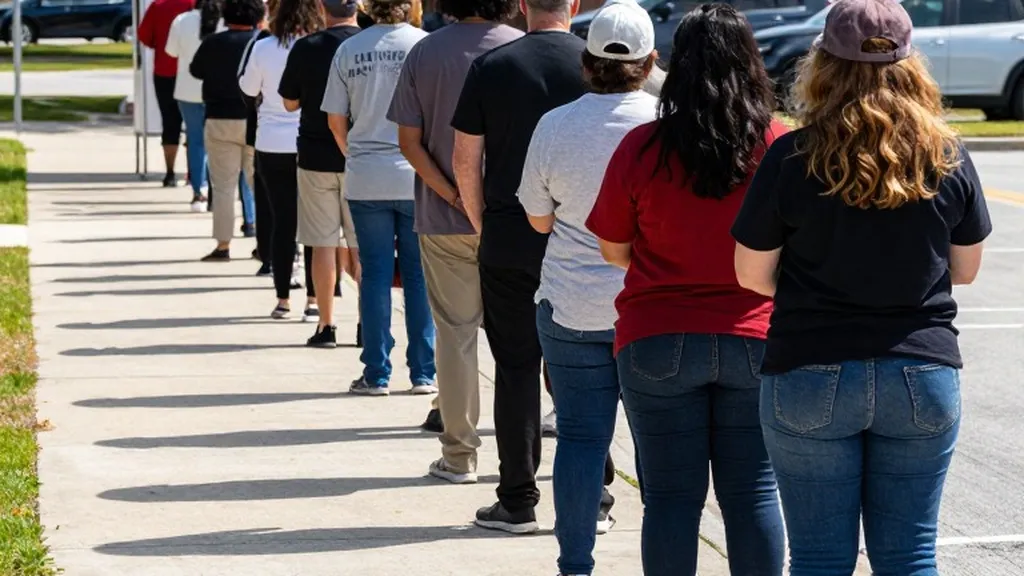
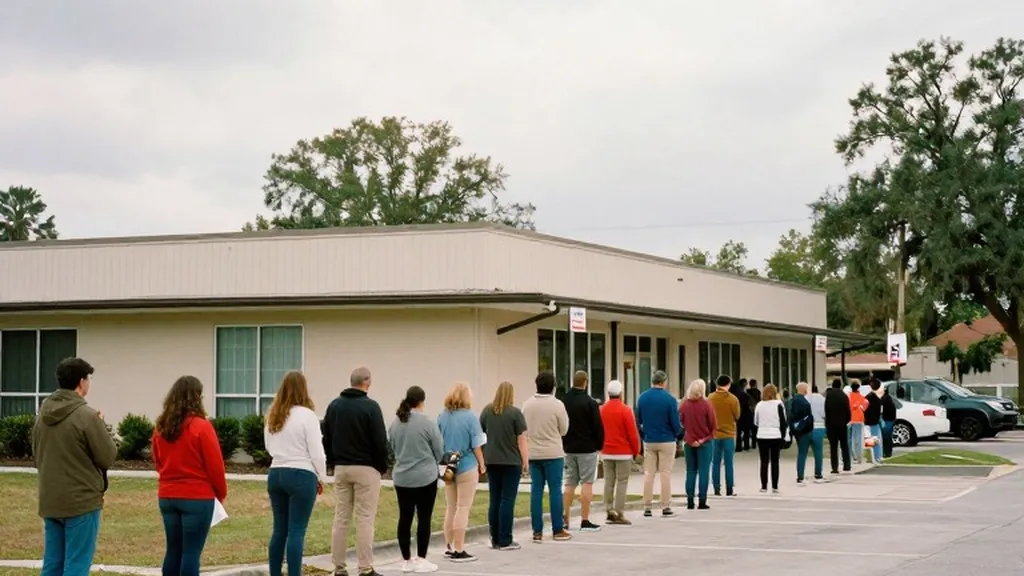
Voters across Pinellas County entered polling places at 7 a.m. Tuesday to cast ballots in a pivotal midterm election. The county, which spans cities including St. Petersburg, Clearwater, Largo, and Pinellas Park, observes a strict voting window that ends at 7 p.m. Local time. Florida is divided between the Eastern and Central time zones, so voters in the western parts of the county must ensure they are in line before the clock strikes seven. The United States is currently deciding which party controls Congress for the final two years of President Donald Trump’s second term, a decision that will shape the legislative agenda for the remainder of the administration.
In Florida, the ballot is particularly heavy. While there is no regular U.S. Senate election this year, voters are choosing a successor for the remainder of the term held by Marco Rubio, who was elected to the Senate in 2022. Ballotpedia confirms that Ashley Moody, the incumbent Republican, is on the ballot for this special election. Additionally, every U.S. House seat in the state is up for grabs, along with the governorship. The governor’s race is an open seat with no incumbent running, and the ballot includes candidates from the Democratic, Libertarian, No Party Affiliation, and Republican parties. Local offices and various ballot measures, including amendments regarding budget stabilization and tax exemptions, round out the choices for Pinellas residents.
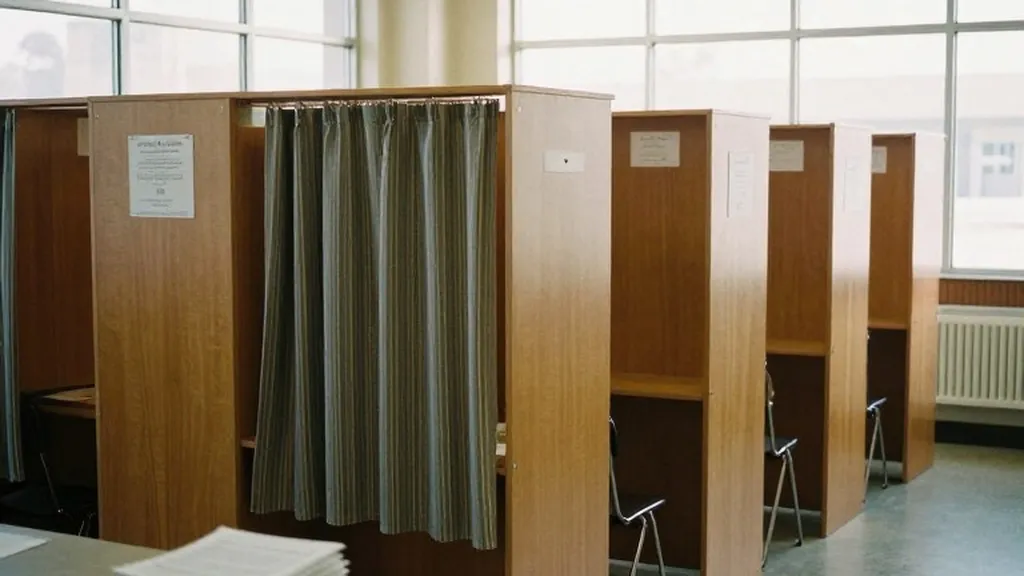
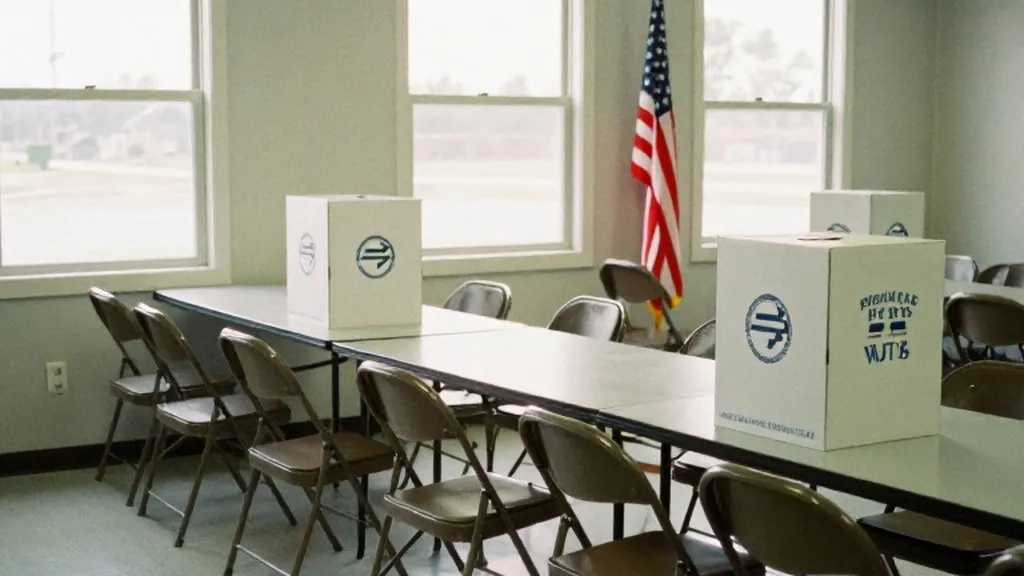
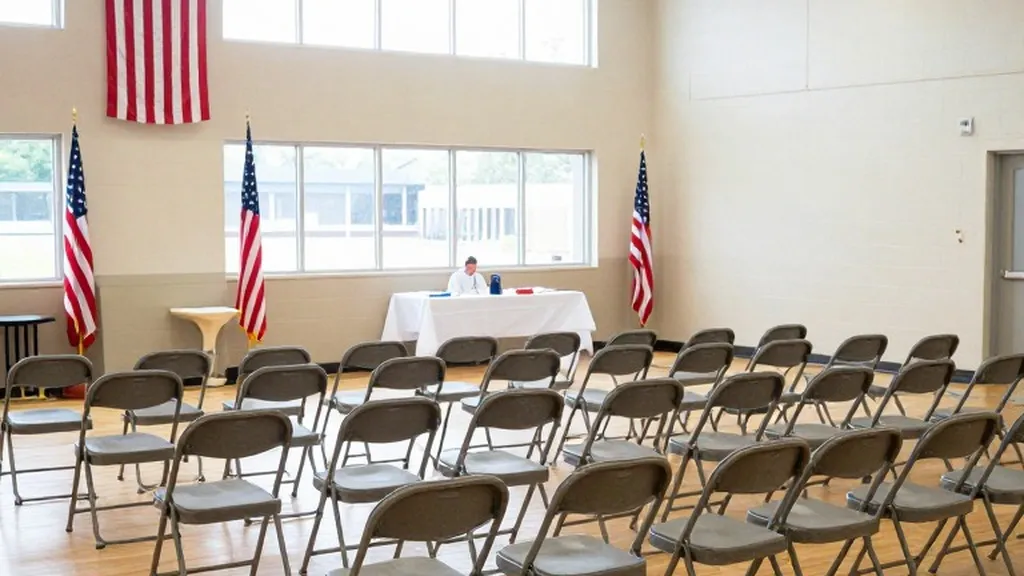
Practical preparation is crucial for today’s vote. The Associated Press and Ballotpedia advise voters to find their specific polling place using the federal website vote.gov or by contacting the state election office. One of the most important rules for voters is that anyone in line when the polls close at 7 p.m. Is entitled to vote. This provision is vital in high-traffic areas where lines can extend well beyond the standard closing time. Voters are also reminded that identification rules vary by state, and while Florida has specific requirements, checking the local rules before heading out is a standard recommendation to avoid delays at the polling booth.
For those who have already mailed their ballots, the U.S. Postal Service has implemented significant measures to ensure these votes are counted on time. The Postal Service added extra hours, staff, and special lines to manage the volume of mail-in ballots. This logistical push is part of a broader federal effort to handle the surge in mail voting that has been seen in recent cycles. In Florida, where voting is largely in person but mail ballots are still a component of the process, these federal actions aim to mitigate any delays in processing and tabulation that could impact the final tally.
The national stakes are high as all 435 U.S. House seats and 35 Senate seats are up for election. Ballotpedia notes that Republicans currently hold 218 House seats and 53 Senate seats. Democrats need a net gain of three districts in the House and four seats in the Senate to achieve a majority. The election is being described by the Associated Press as a referendum on the current administration, with polls showing 35% of U.S. Adults approving of President Trump’s job performance. More than 57 million people had already voted before Tuesday, surpassing early vote totals from four years ago in many closely watched states.
In the Senate, 13 races are considered battlegrounds, including Florida’s special election. The administration has filed lawsuits related to the certification of results in states like Alaska and California, citing concerns about noncitizen voting. A federal judge temporarily barred the administration from carrying out a plan to prevent noncitizen voting on Monday, a move critics say risks disenfranchising eligible voters. In Florida, the focus remains on the local and state implications of the federal race, with voters balancing their choice for the Senate seat against the open governor’s race and the numerous House districts that will determine the balance of power in Washington.
The mood in Pinellas County mirrors the national sentiment of caution and high stakes. Republicans are bracing for potential losses in the House while fighting to hold the Senate, with one or two seats potentially tipping the balance. Democrats, meanwhile, are described as cautiously optimistic. The election is also significant for state leadership, as the outcome of the governor’s race will determine who leads Florida for the next four years. With no incumbent on the ballot, the race has attracted significant attention and spending, reflecting the broader trend of the 2026 elections becoming the most expensive in history.
Voters in Pinellas Park and other local jurisdictions are also deciding on school boards, municipal government positions, and local ballot measures. These local decisions often have an immediate impact on community services, infrastructure, and tax rates. The county’s diversity in political affiliation means that every vote counts, particularly in the U.S. House races where districts are redrawn or contested. The new congressional maps in Florida, part of a mid-decade redistricting effort, may influence how these districts vote, though the final results remain unknown until the polls close and the votes are tallied.
As the day progresses, the focus shifts to the logistics of counting. The Associated Press notes that the election is a critical moment for the American people, who are reportedly angry over high prices and the direction of the country. The results will not only determine the makeup of Congress but also the trajectory of the presidency in its final two years. For Pinellas County residents, the day is a test of civic participation, requiring them to navigate ID checks, potential lines, and the complex interplay of federal and state elections. The final outcome will be known only after the polls close at 7 p.m. And the counting process is complete.