Somerset Health Merge: Rural Councillor Warns of Rising Deprivation
Local officials and NHS leaders debate whether merging five boards by late 2027 will centralize services and increase travel burdens for patients.
By Grace Anderson ·
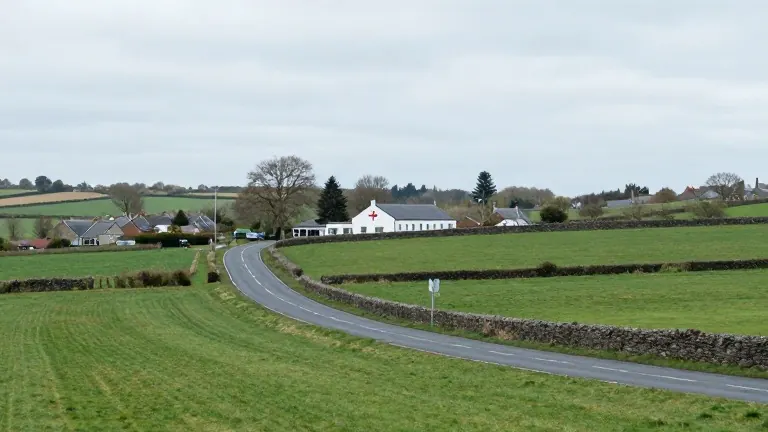
A local councillor in Somerset has warned that merging regional health boards could worsen health deprivation in rural communities.
The government’s ten-year plan for the health service requires Somerset to join a new cluster with Bath and North East Somerset, Dorset, Swindon, and Wiltshire. The five bodies intend to formally merge by late 2027. Currently, the NHS Somerset integrated care board commissions local health services using representatives from the county’s hospital trust, GP practices, and other organizations.
Emily Pearlstone, a councillor representing the Martock division, raised these concerns during a meeting of the council’s adults, health, and housing scrutiny committee in Bridgwater on October 8. Her district includes numerous villages on the edge of Yeovil. She has represented the area since 2022. Pearlstone argued that combining the organizations into one larger entity creates a risk of greater health deprivation.
She pointed to recent changes, including the move of the hyper-acute stroke service from Yeovil and ongoing issues with maternity services that have reduced availability across the area. Pearlstone stated that the ongoing costs of travel, transport links, and fuel constitute a form of health deprivation. These costs apply not only to residents seeking care but also to staff who must travel across county lines to provide services.
"Computers can't provide these actual services, they can just give lots of information. I'm becoming more concerned about this," Pearlstone said. She noted that while technology offers information, it cannot replace physical care delivery.
David McClay, the place director for NHS Somerset, responded to her concerns. He acknowledged that care delivery cannot be replicated with technology. However, he emphasized that the shape and nature of health services are changing. He described a trend toward amalgamating groups and moving services.
McClay stated that there is an opportunity to deliver support in different ways. Part of the upcoming work involves creating a clearer clinical services strategy for the county. This strategy aims to understand needs in specific pockets of the county and direct services to those areas through neighborhood health centers. Planning for this work will begin in the new year. Each primary care network area will develop its own plan to address local health needs.
McClay also referenced a long-standing trend in health specialization. This trend centralizes services in specialist centers that handle higher volumes of care. He cited trauma centers, stroke services, and vascular surgery as examples of this direction. He noted that the implications of this trend for Somerset need to be worked through.
In March, McClay stated that he could not reassure the public that every pound allocated for Somerset would be spent within the county. He made this comment amid concerns that Somerset’s current financial surplus might be used to support struggling health services in other parts of the new cluster.