Tech stocks shed $2 trillion as voters reject AI data center expansion
Thursday's market plunge followed Democratic midterm wins that signal a legislative push to regulate artificial intelligence infrastructure.
By Camila Herrera ·
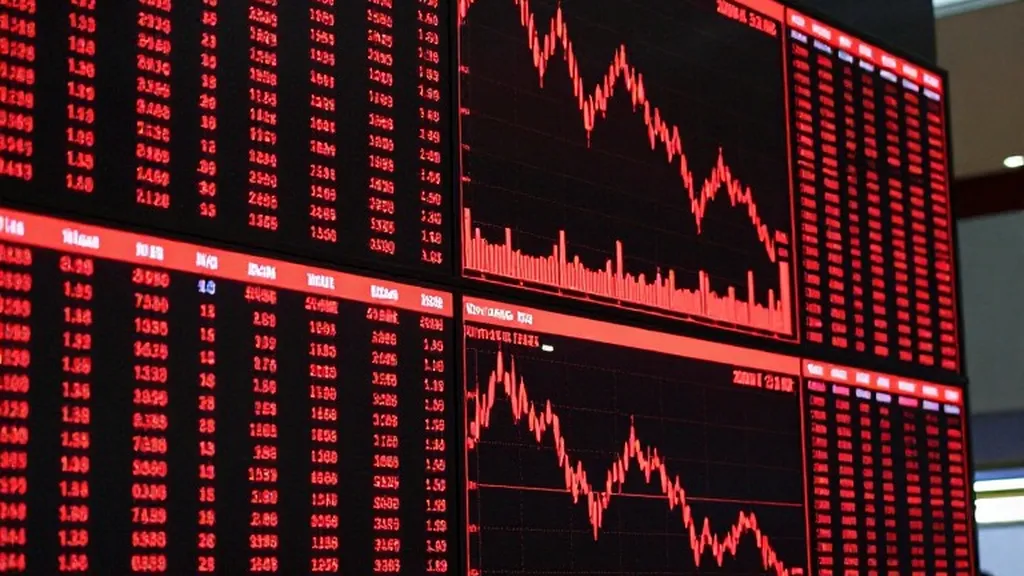
American investors lost more than $2 trillion in paper wealth on Thursday as the stock market reacted to the results of the midterm elections. The tech-heavy Nasdaq Composite dropped by more than 5 percent, dragging down the Dow Jones Industrial Average and the S&P 500. This sharp decline marks a reversal from Wednesday, when shares had risen across the board after the fate of Congress was settled.
The sell-off was driven by a specific voter signal: opposition to the rapid expansion of artificial intelligence data centers. Many residents in swing districts expressed concern that these facilities consume excessive amounts of water and energy. Democrats, who won overwhelming majorities in both national and state races, have pledged to curb this proliferation. This shift in political power forces companies to consider new regulatory constraints on their infrastructure plans.
David Busch, chief investment officer at Trajan Wealth, noted that the market is reacting to fears of increased regulation. "There is some concern regarding AI regulation, and fears that there could be far more regulations coming to AI technology, as well as a pushback on the buildout of data centers across the country," Busch said. Major tech firms, including Meta and Alphabet, depend on continuous data center construction to advance their models. A legislative barrier could slow that development.
Stocks tied to Elon Musk took a particularly hard hit. Tesla and SpaceX shares fell sharply on Thursday. Musk spent hundreds of millions of dollars trying to elect more Republicans. With Democrats now controlling Congress, investors are anticipating heightened scrutiny of Musk’s business practices when the new legislative session begins in January. The political risk extends beyond Washington, as well.
State-level races also produced results that complicate the AI buildout. Gina Hinojosa won the Texas governor’s race in a stunning upset. She, like other victorious Democrats, has vowed to slow down AI development in her state. This creates a patchwork of regulatory environments that national tech companies must now navigate.
The rout comes after a difficult year for technology shares, with investors already questioning if massive AI spending will yield returns. AI currently drives a large portion of the U.S. economy, contributing to 3.4 percent annual growth in the third quarter. The market dip affects more than professional traders. Average Americans hold AI stocks through retirement accounts such as 401(k)s and pension funds, leaving their savings exposed to prolonged volatility.
More Business · Bad Service · Report a business · Got a Story?