Trump faces choices in Iran war
Voter anger over gas prices shaped the midterms, leaving the president with several military and diplomatic paths forward.
By Camila Herrera ·
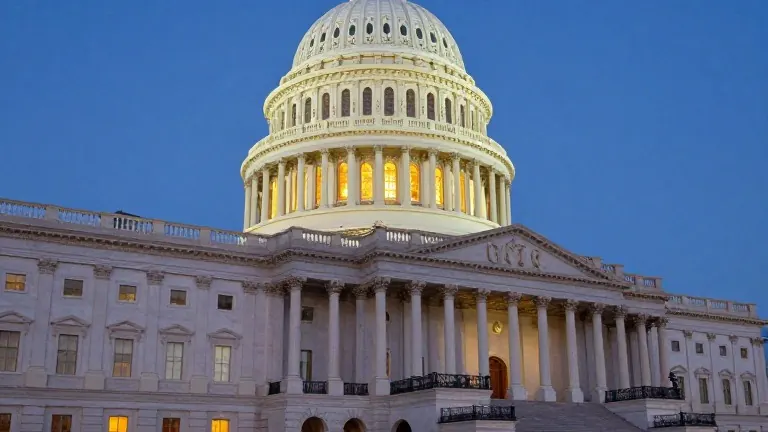
President Donald Trump must decide what to do with the war in Iran following his party's loss of control of Congress.
The AP Voter Poll surveyed more than 100,000 voters and found that 60 percent said the United States made the wrong decision to take military action against Iran. Only one-third of voters called the conflict a deciding factor in their choice for Congress, a smaller share than those who cited cost of living or corruption. Roughly 80 percent of voters who supported Republican House candidates said the war was the right decision, while nearly all voters who supported Democrats said it was wrong. About 60 percent of voters expressed high concern over gasoline and diesel prices, and two-thirds of that group voted for Democratic candidates.
Trump told reporters on Wednesday that he would likely repeat his decision to launch the conflict. "At the same time, if I had to do it again, I'd do it again," he said. Vice President JD Vance placed the blame on the war in a social media post. "The reason we lost," Vance wrote, "is the war." Vance had previously questioned the wisdom of the campaign but supported Trump once the decision was made.
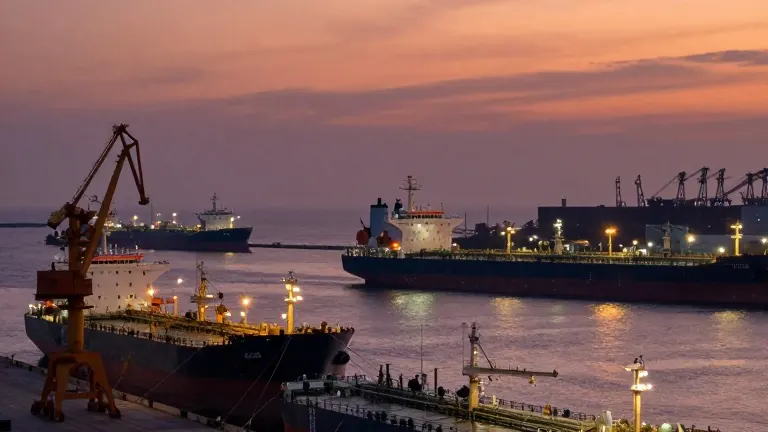
The conflict has spread beyond the Strait of Hormuz. Iranian-backed Houthi rebels are fighting a Saudi-led coalition in the Red Sea and attacking Yemeni civilians and infrastructure. Oil from the Strait of Hormuz is flowing again under U.S. Navy escorts. A senior Yemeni government official said the threat from Iran did not change overnight with the U.S. elections. Brian Haggerty, a former CIA analyst, noted that Trump may feel less restrained now that the political damage is done, but the strategic logic of escalation remains unchanged.
Analysts identify three main options for the administration. The first is to maintain the current posture of defensive strikes and a naval blockade on Iranian oil. The second is to strike the Pickaxe Mountain nuclear facility deep underground in central Iran. David Schenker, a former assistant secretary of state, suggested Trump could then seek a temporary agreement to restore shipping and offer sanctions relief. The third option is to launch massive attacks on Iranian infrastructure. Schenker warned that further escalation could worsen oil prices, a key issue for voters. Brent crude oil fell below $95 per barrel on Wednesday, touching its lowest level in two months.
Middle East officials say the administration signaled that Iran's leverage would diminish after the elections. Three officials said Trump might be more willing to restart strikes because he has less to lose politically. A fourth official said the election results gave mediators some optimism about resolving the conflict. Israeli Prime Minister Benjamin Netanyahu urged renewed strikes during a phone call with Trump over the weekend, but the president did not commit to military action.
Bradley Bowman, an analyst at the Foundation for Defense of Democracies, compared the situation to a fistfight. He asked what the United States would do if Iran continued to attack shipping in the Strait of Hormuz after the U.S. stopped throwing punches.