Biofilter septic systems face scrutiny over missing performance data in Florida
Contractors installed over 5,500 nitrogen-reducing units without long-term testing, prompting experts to question their environmental impact.
By William Turner ·
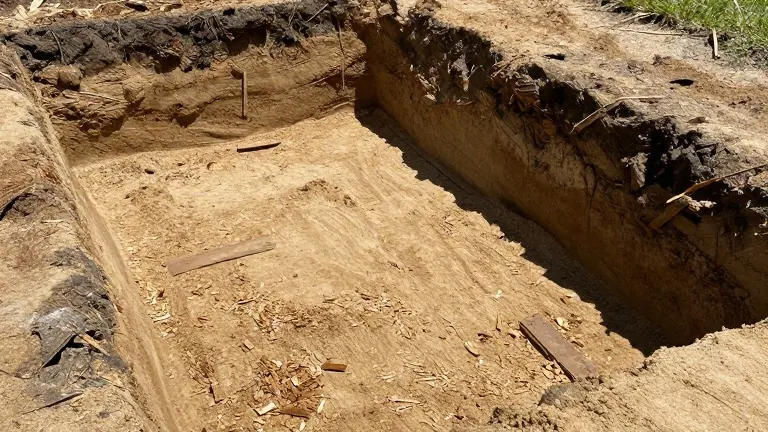
Homeowners in Florida who recently upgraded their septic systems to meet state environmental standards may have installed units that do not perform as promised. Industry professionals and former state consultants argue that the state’s newest nitrogen-reducing technology, known as biofilters, lacks the long-term data needed to verify their effectiveness. The systems use wood chips and sand to filter wastewater from homes, a method intended to prevent nutrient pollution in sensitive waterways.
The Florida Department of Health mandated that tens of thousands of properties install advanced septic systems by 2030. Biofilters are one of three approved options and are often chosen because they do not require routine inspections or continuous monitoring. Unlike aerobic treatment units, which cost homeowners about $20 per month in electricity and require annual permits, biofilters offer a set-and-forget solution. However, experts note that this lack of oversight means pollution can go undetected even if toilets function normally.
Damann Anderson, who led the 2009 state team tasked with designing these systems, said the initial results were preliminary. He advised that further testing was necessary before widespread adoption. State records show that contractors began installing biofilters in Florida yards for three years before state agencies started their own tests. By that time, over 5,500 units had already been installed near environmentally sensitive waters.
Hazen & Sawyer, the firm hired by the state, spent $4.7 million over six years researching the technology. Their prototypes met a 65% nitrogen reduction requirement, tripling the efficacy of conventional systems. The final report to the legislature cautioned that experimental residential systems were needed to determine how long wood chips last and to track long-term performance. Anderson said only a few units were tested before the rollout accelerated.
Installation practices have also drawn criticism. Greg Mayfield, president of the Florida Onsite Wastewater Association, stated that real-world systems differ from the tested prototypes. Current installation codes do not require specific liners or pipe designs that ensure even water distribution. Anthony Gaudio, a retired installer, warned that uneven flow can leave parts of the system underperforming. Brian Miller, a Tallahassee contractor who has installed roughly 1,000 biofilters, has seen about 100 units fail due to ground settling as wood chips rot. He described the current design as set up for failure.
The Florida Department of Environmental Protection, which took control of the sewage program in 2021, did not respond to inquiries about how many biofilters it has monitored. Agency presentations list five test sites with nitrogen reductions ranging from 42% to 83%, but note that more data is required for a full evaluation. On Oct. 28, Gov. Ron DeSantis announced more than $10 million in additional grant funding for septic upgrades in five counties. Alachua County, which offers $10,000 rebates for biofilters, has about 200 homeowners who have expressed interest in the program since its announcement.
More Business · Bad Service · Report a business · Got a Story?