Rice Krispies Loses Its Sound in U.K. as Recipe Shifts to Flour
Kellogg's replaced whole grains with flour in Britain due to weather-related crop issues, altering the cereal's texture and ingredients.
By William Turner ·
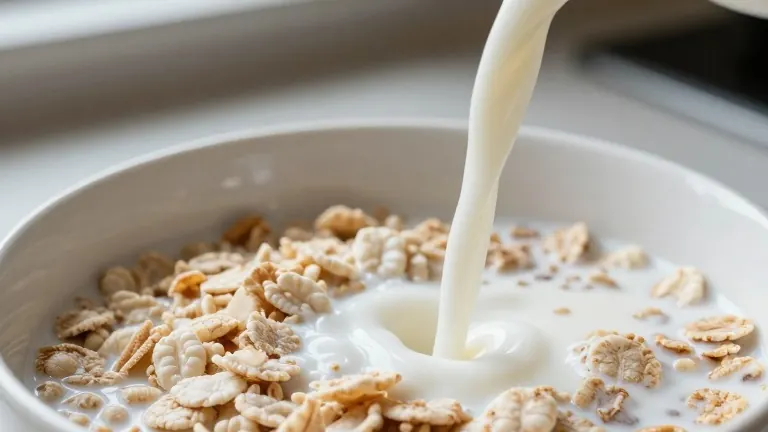
The silence was the point. On Wednesday morning, Susanna Reid, a co-host of Good Morning Britain, held a microphone toward a bowl of Rice Krispies. Her co-host Ed Balls poured milk over the flakes. The bowl remained quiet. Reid noted the absence of the familiar noise, declaring that the brand had lost its identity.
The change stems from a recipe update in the U.K. market. Kellogg's swapped whole rice grains for rice flour. This substitution was driven by shifting weather patterns that impact rice quality and availability. The company stated that the move helps maintain consistent product quality. The new formulation also introduces wheat gluten, changing the allergen profile for consumers.
Rice Krispies debuted in 1928. The phrase snap, crackle and pop appeared in print advertising the following year. By 1932, the phrase was on the packaging. The three gnomes by those names followed in 1933. Their television debut came in 1955. The brand has been sold in the U.K. since its inception. Kellogg's previously described the product as the talking cereal because of the sound made when milk is added.
The physics of the sound rely on whole grains. When cooked, the rice grain fills with air. Adding milk forces that air out, creating the audible pop. The new U.K. recipe uses flour and wheat gluten. The company's U.K. website now lists wheat and barley as allergens. The Canadian website still lists rice as the primary ingredient and does not declare those allergens.
Kellogg's confirmed that the change does not apply to North America. A spokesperson for U.S.-based WK Kellogg Co. said that Rice Krispies, Cocoa Krispies, and Frosted Krispies in the U.S. and Canada remain made with real rice. The ingredients and recipes in those markets are unchanged. Consumers in North America can expect the same taste and texture.
The shift is part of a wider agricultural trend. The global rice crop is declining. Reduced rain in India, El Nino disruption in Indonesia, and drought in Italy are affecting major producers. The USDA predicts that 2026 global rice production will fall 4.6 percent compared to the previous year.
Kellogg's acknowledged that small changes to popular products can feel noticeable. The company said it approached the update with care. The recipe change has already sparked reactions online. One user on TikTok said their toddler, who usually eats the cereal every day, will no longer eat it. Another user described the new flakes as soggy and pale, noting the lack of snapping sound.
More Business · Bad Service · Report a business · Got a Story?