Cheesecake Factory becomes flashpoint in Obama-Trump exchange
The restaurant chain's kitschy aesthetic triggered a multi-day political response after former President Obama compared the White House to the establishment's decor.
By Grace Anderson ·
The Cheesecake Factory restaurant chain has become the unlikely center of a political dispute between the White House and former President Barack Obama.
The conflict started during a campaign rally in Ohio on Saturday. Obama was stumping for Democrats ahead of the midterm elections when he criticized President Trump's renovations of the White House.
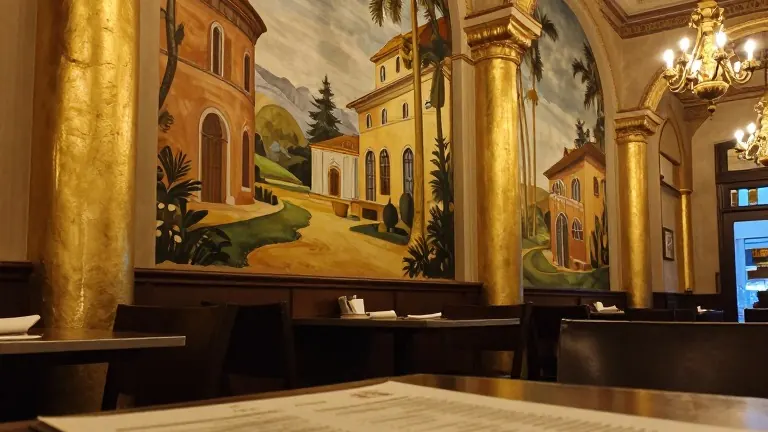
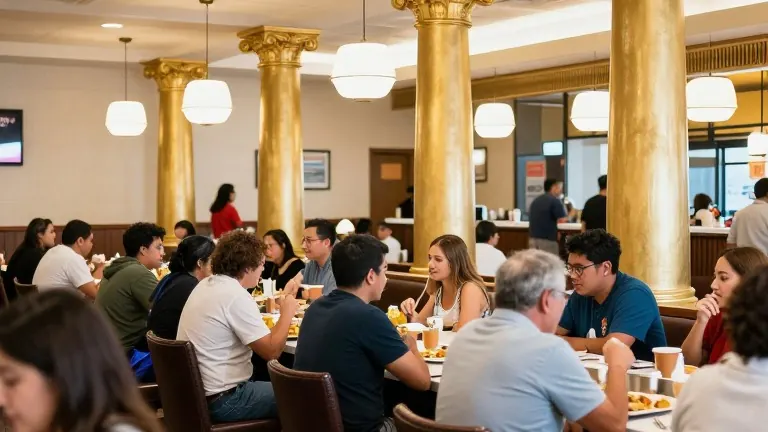
Obama described the changes as looking "like Saddam Hussein opened a Cheesecake Factory. Just gold everywhere." He added that the President had been "supergluing gold medallions to the mantel in the Oval Office" and building a ballroom larger than the White House itself.
The Cheesecake Factory was founded in 1978 by David Overton. The chain now operates 218 locations and generated $1.03 billion in annual revenue. The brand is known for its elaborate interior design, which The Atlantic writer Elaine Godfrey described this week as a mix of ancient Egypt and Tuscany created in Las Vegas.
President Trump responded to the comments by defending his design choices. He told reporters that he had fixed the White House with the finest artisans in the world and that the building is now in its best shape since 1792. He called Obama "not a smart guy." The official White House social media account posted a photo of the restaurant's large menu, stating that the only thing bigger than the menu was the list of Trump's accomplishments.
Vice President JD Vance accused Obama of elitism on the social platform X. He wrote that Obama "just can't help himself for being super elitist." Treasury Secretary Scott Bessent joined the response by eating lunch at a Cheesecake Factory near the White House on Monday. He ordered a French Dip Cheeseburger and told journalists that the "Martha's Vineyard set" should try the restaurant. Bessent also compared the new Obama Presidential Center in Chicago to Darth Vader's tomb.
Obama returned to the topic at a rally in Georgia on Wednesday. He noted that the White House seemed more upset about the restaurant joke than his criticisms of policy and corruption. He pointed out that the administration mobilized a government response to the joke rather than to inflation or interest rates. He suggested that the White House told Bessent, the man in charge of the economy, to hold a press conference in front of the restaurant.
Obama emphasized his own connection to the chain, noting that he is the father of two daughters. He asked his audience if he could have survived their childhood without visiting the restaurant.
The debate over dining costs continued later in the week. At a rally in Texas, Trump told supporters that they could spend the $5,000 promised to each adult citizen if Republicans keep Congress at his Mar-a-Lago club in Florida. He joked that the money would only buy a hamburger and a small dessert before advising that the club was not a good place for those who are price conscious.
The exchange illustrates how a specific cultural reference can expand into a wider political conversation about affordability and governance during a campaign season.