Kurdistan PUK Leader Signals Cabinet Withdrawal After Parliament Split
Bafel Talabani’s party is exiting the regional government, a move that complicates the security balance for the autonomous region following the US withdrawal in September.
By William Turner ·
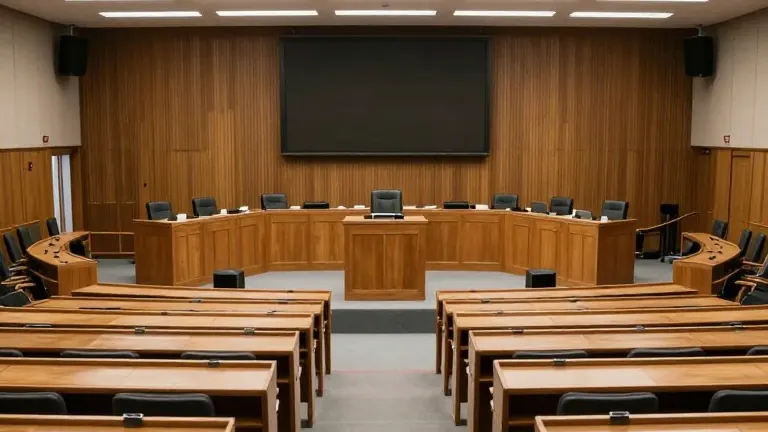
Bafel Talabani, leader of the Patriotic Union of Kurdistan (PUK), announced on Thursday that his party is withdrawing from the Kurdistan Regional Government (KRG) cabinet. The decision comes in protest against the reactivation of the Kurdistan Parliament without PUK participation. Talabani declared the legislature illegitimate in a video message, stating that the current government has failed.
“This government has failed. Therefore, the first decision of the PUK leadership following this thing [parliament reactivation] is that we will immediately withdraw from this failed government, which calls itself the government of Kurdistan,” Talabani said. He added that the party would use all available strength to provide for residents in Sulaimani and Halabja.
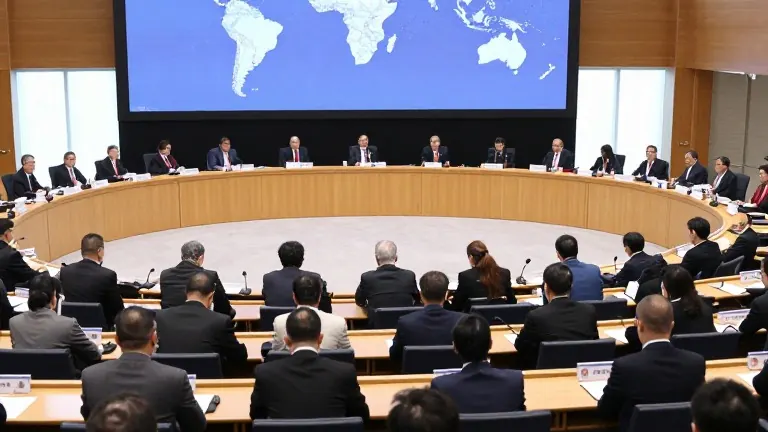
The political split deepened on Wednesday in Erbil, the regional capital. A session of the local parliament was attended by 52 lawmakers, narrowly meeting the 51-member quorum required in the 100-seat legislature. Lawmakers unanimously elected Vala Farid, a KDP politician, as parliament speaker. Rami Noori, a Christian quota representative, was elected deputy speaker, and Muna Qahwachi, a Turkmen quota representative, was elected secretary.
The Kurdistan Democratic Party (KDP) spearheaded the initiative to reconvene parliament. It gained support from several minority representatives, smaller parties, and lawmakers who broke ranks with their own parties. This group included three PUK members. The KDP holds 39 seats in the local parliament, while the PUK holds 23.
This is not the first time the two major Kurdish parties have clashed. In 2017, Iraqi federal forces attacked Kurds in Kirkuk, and Talabani made a statement as PUK forces withdrew from the area. At that time, observers believed the PUK had reached a deal with Iran and Baghdad. The PUK has historically maintained closer ties with Iran than the KDP, a relationship rooted in both geography, with PUK popularity in Sulimaniyah, and politics.
The timing of this crisis raises questions for observers watching the region from abroad. The United States withdrew forces from Iraq on September 30. Iran has continued to target the Kurdistan region with drones and missiles. It has also pressured Iraq to expel Kurdish Iranian opposition groups based in the region. Analysts suggest Iran may seek to divide and weaken the region amid this internal political discord.
Shafaq News, an Iraqi outlet, analyzed the situation regarding KRG President Nechirvan Barzani. The analysis argues that Barzani’s pragmatic approach has helped build dialogue and untangle disputes. However, it warns that this strategic patience may prolong domestic crises if it relies on de-escalation without reform. The article states that the problem is not whether one individual can contain disputes, but whether governing parties are prepared to unify institutions and address underlying causes.
US Envoy to Iraq and Syria Tom Barrack was in Baghdad on November 5 for meetings with Iraqi Prime Minister Ali al-Zaidi. Barrack posted on X/Twitter that the Middle East is a Rubik’s Cube, where turning one face moves the rest. He stated that no single country solves the region’s issues alone. “It comes together only when the nations of the region decide to turn the pieces themselves, patiently and together,” he wrote.
Barrack praised Prime Minister Al-Zaidi for choosing sovereignty over dependency and investment over stagnation. He said the United States is deepening economic and commercial ties and opening the door to American companies and Iraqi talent to build prosperity for the benefit of all.