Ohio State Rowers Use Telemetry to Customize Boat Setup
Coaches at the university employ engineering data to adjust equipment for individual athletes, aiming to optimize team efficiency.
By Jonathan Reed ·
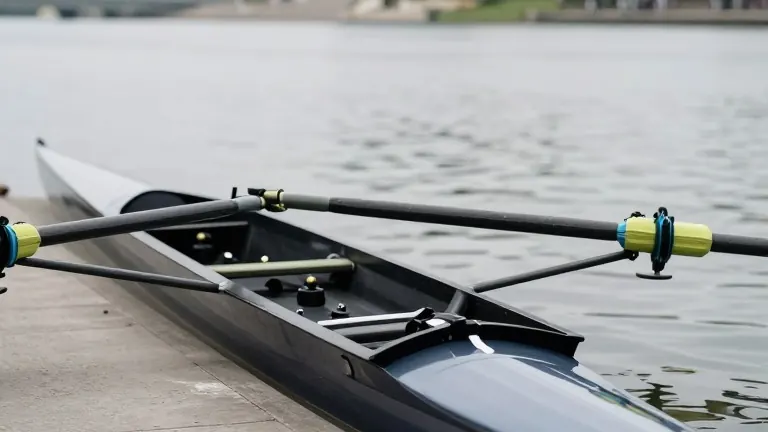
Ohio State University rowers now utilize a telemetry system to tailor their racing equipment to individual physical attributes. The Buckeyes team has integrated Peach PowerLine technology to track specific force application during strokes. This data allows coaches to move beyond traditional visual assessments and focus on precise mechanical adjustments.
Emilia Fritz, an assistant coach and data optimization engineer, explains that the system captures detailed metrics on how each athlete transfers power through the oar. The team uses these numbers to customize the rigging of the boat. Fritz notes that there are approximately 20 variables involved in the setup process. The goal is to identify the optimal configuration for every seat in the shell.
Individualized equipment is designed to account for differences in height, strength, and technique among the eight rowers. While synchronization is required to move the boat efficiently, the physical setup for each athlete may differ. The data helps identify specific equipment or technique changes that can improve performance. Coaches use this information to make targeted adjustments during training.
Student athletes on the team connect this technical approach to their academic studies. Katerina Dohnalová, a sophomore majoring in engineering physics, began rowing at age 11. She recalls early coaching advice about the team's success relying on collective effort. She now understands the physics principles behind that instruction, noting that simultaneous force application in the same direction moves the shell more efficiently.
Giulia Zaffanella, a second-year mechanical engineering student, emphasizes the importance of these details in boat performance. She stated that she can feel when the boat is not functioning correctly, but the collected data helps pinpoint necessary corrections. Zaffanella believes that increased personalization leads to greater efficiency for the athlete and the team.
Coaches balance the telemetry data with athlete feedback to make final decisions. Fritz said the team avoids relying solely on numbers because data can occasionally be inaccurate. Dohnalová cited the ergometer, an indoor rowing machine, as an example of this limitation. She noted that ergometers do not replicate the floating conditions of water, meaning land-based strength tests do not always predict on-water speed.
The program continues to translate traditional rowing knowledge into digital formats. The team aims to capture the nuances of balance, water resistance, and synchronization that were previously assessed only by feel or observation. This shift allows for a more granular analysis of team performance and equipment fit.