West London council to scrap 700 dog bins for £100,000 savings
Hillingdon plans to consolidate dog waste collection into general litter bins, a move that residents and local officials say will strain existing infrastructure.
By Grace Anderson ·
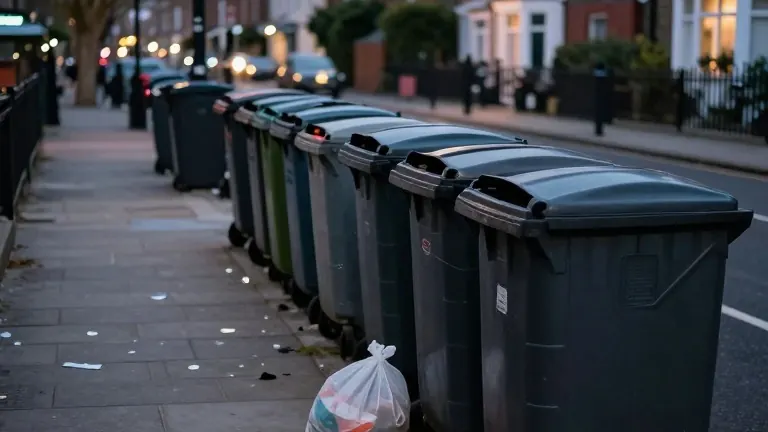
Hillingdon Council in west London will remove 700 dog-waste bins from the borough to cut annual waste collection costs by £100,000. The Conservative-run council aims to shift the disposal of dog faeces to the borough's existing network of nearly 1,500 general litter bins. This consolidation is intended to merge two separate waste services into one operational stream.
The decision has drawn immediate criticism from local residents and community leaders who fear a shortage of disposal points. Daniel O’Neill, chief road steward at the Ruislip Residents’ Association, stated that people are worried the streets will become covered in dog waste. He noted that the borough’s pet dogs produce approximately 174 tonnes of faeces annually. O’Neill argued that the council is making drastic cuts to avoid raising council tax, a measure he believes would generate an additional £26 million in revenue.
Sital Punja, a Labour councillor and daily walker in Ruislip woods, described the plan as preposterous. She pointed out that dog bins in wooded areas are already overflowing and that general bins lack lids. Punja explained that open bins emit strong odors and are accessible to foxes, which complicates the management of waste. She attributed the surge in the need for these facilities to the rise in dog ownership during the pandemic, noting that she was among the new owners who acquired pets during that period.
The council’s financial position is strained by growing debts that increase by £5.6 million each year. The borough currently faces a schools grant deficit of £101.5 million. The government has expressed serious concerns about Hillingdon’s finances, a status that could threaten its eligibility for exceptional financial support from Whitehall. Despite these figures, the council has maintained a freeze on council tax for several years, a policy O’Neill identified as the root cause of the current service reductions.
A council report detailed the expected financial outcome of the bin removals. The document projected total savings of £160,000, with £60,000 of that amount to be reinvested in street cleaning. Wayne Bridges, the cabinet member for residents’ services, acknowledged resident concerns but defended the operational change. He stated that allowing dog waste in ordinary public litter bins more than doubles the available capacity for disposal. Bridges noted that many councils across the country already use this method for waste management.
Local opposition has been vocal on social media platforms. Comments on the Ruislip Residents’ Association Facebook page described the plan as madness and a way to alienate residents. One resident argued that the decision was shortsighted, stating that those making the cut may not understand the volume of waste produced by dogs. Another comment suggested that the removal of bins would not solve the problem of owners who do not pick up after their pets.
The plan is part of a wider trend among UK councils attempting to balance books through waste management changes. Similar proposals have sparked outrage in Cornwall, Kent, and North Somerset. O’Neill said that while residents are indifferent to discussions about audit problems or deficits, the threat to bin availability resonates deeply. He observed that the issue has cut through the noise of other financial debates to become a primary concern for the public.