Israelis vote on parties competing for Knesset seats
Ballots were cast on October 27 as voters chose among right-wing, centrist, and left-leaning lists, with several smaller parties fighting to clear the 3.25% threshold.
By Camila Herrera ·
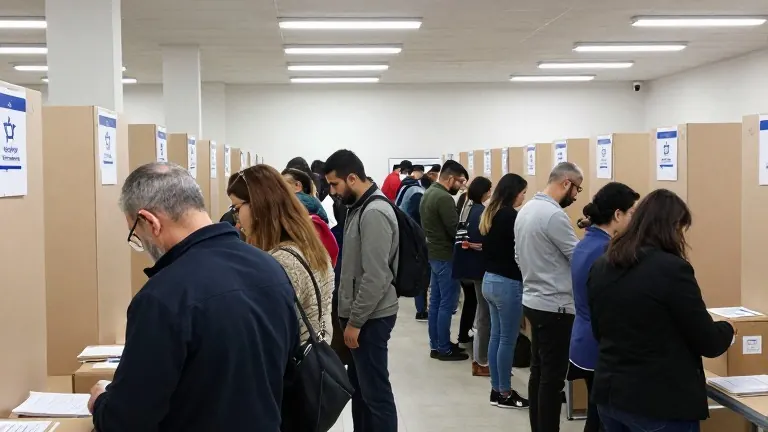
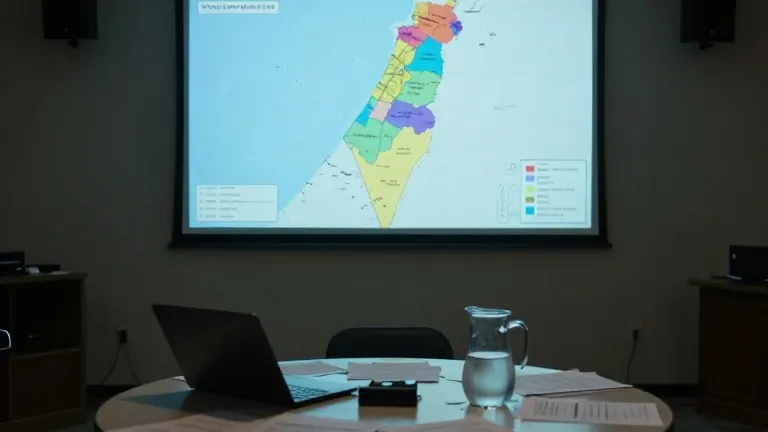
Israelis went to the polls on October 27 to elect the next Knesset. The election features a field of parties spanning the political spectrum, from the right-wing coalition led by Prime Minister Benjamin Netanyahu to a diverse opposition bloc. Voters are deciding which parties will hold the power to shape the country's future direction.
Netanyahu leads Likud, a right-wing party that prioritizes national security and Jewish nationalism. The party opposes Palestinian statehood and currently heads the governing coalition. Its bloc includes Otzma Yehudit, led by National Security Minister Itamar Ben-Gvir. This far-right list advocates for expanded Jewish settlement, tougher law enforcement, and a hardline approach to security threats.
The right-wing bloc also contains the Religious Zionist Party-Zehut, a far-right, religious-nationalist list. It is led by Finance Minister Bezalel Smotrich alongside Moshe Feiglin. The party supports applying Israeli sovereignty over the West Bank, expanding settlements, and advancing judicial reform. Ultra-Orthodox parties Shas and United Torah Judaism complete the coalition. They focus on protecting religious institutions and maintaining exemptions from IDF service for yeshiva students. Shas represents Sephardi and Mizrahi communities, while United Torah Judaism represents Ashkenazi communities.
The opposition includes several centrist and left-leaning lists. Yashar, led by former IDF chief of staff Gadi Eisenkot, focuses on national security and government reform. It seeks to replace Netanyahu with new leadership. B'Yachad, led by former prime minister Naftali Bennett, emphasizes economic growth and enlisting haredi men into the army. The Democrats, led by Yair Golan, are a left-wing Zionist party that stresses liberal democracy, civil rights, and greater equality in military service.
Yisrael Beytenu, led by Avigdor Liberman, is a right-wing, secular nationalist party in the opposition. It focuses on national security and a tougher stance against Hamas. The party also seeks to curb the influence of religious parties in government.
Arab Israeli politics is represented by the Joint List and Ra'am. The Joint List is generally left-wing and emphasizes equality and Palestinian national rights. Ra'am, led by Mansour Abbas, takes a pragmatic approach to tackling crime and securing funding for Arab communities.
Several smaller parties are competing to clear the 3.25% electoral threshold required to win seats. Recent polls place the People of Israel party and the Reservists-Economic Party near this line. The People of Israel, led by former general Ofer Winter, backs Netanyahu but demands new leadership and haredi enlistment. The Reservists-Economic Party, led by Yoaz Hendel and Yaron Zelekha, pairs a security agenda with economic reform. It states it will only join a Zionist government and wants a universal conscription law passed before formation. The Haredi Public Party, led by Moti Leitner, offers an alternative to Shas and UTJ by backing wider haredi service and core-curriculum studies.
Source: The Jerusalem Post