Swing Voters in Key States Split on Trump Ahead of Midterm Vote
Eleven long-tracked voters in swing states describe the political climate as messy and scary, with their ballots reflecting a mix of loyalty and frustration two years into the current administration.
By William Turner ·
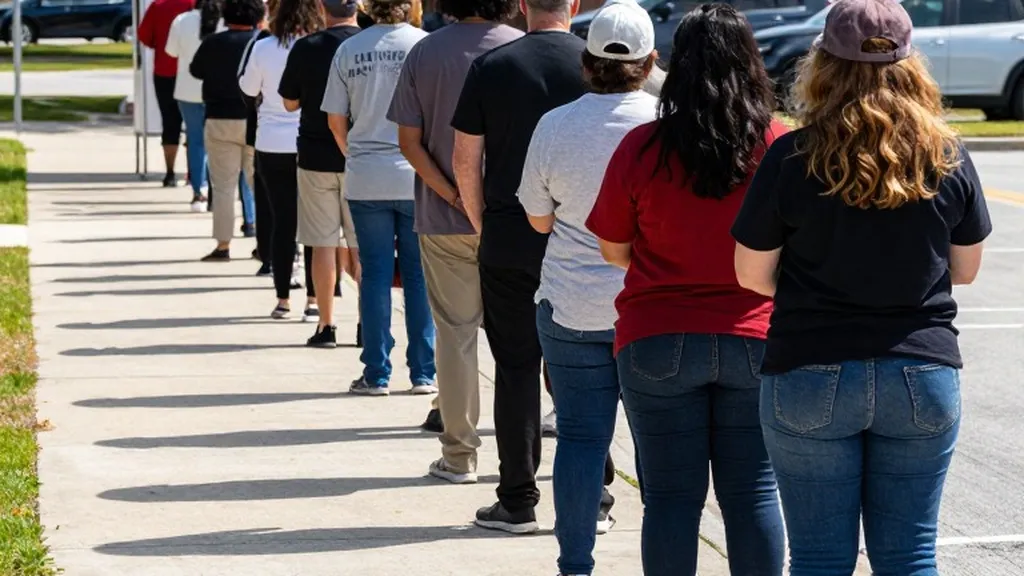
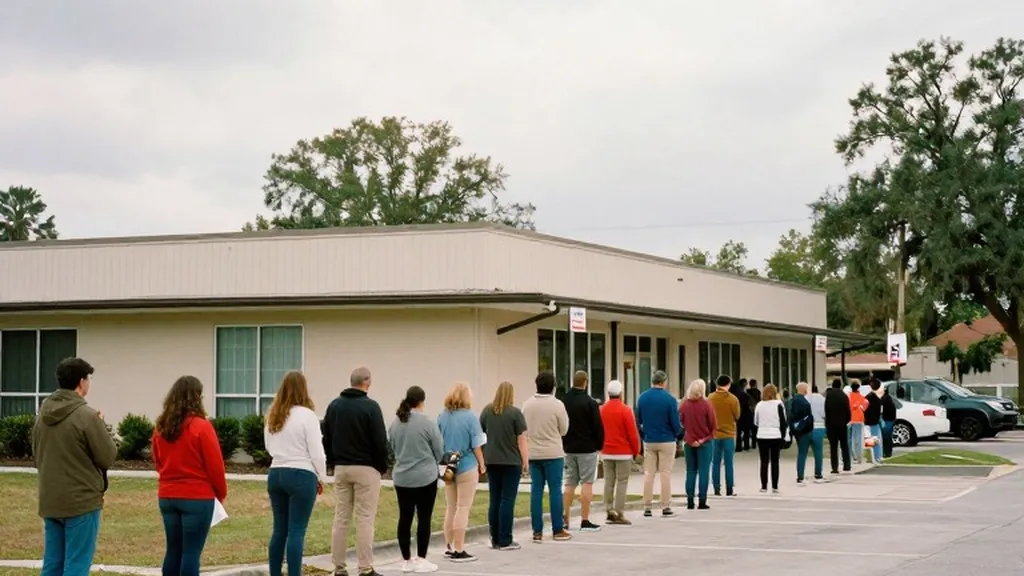
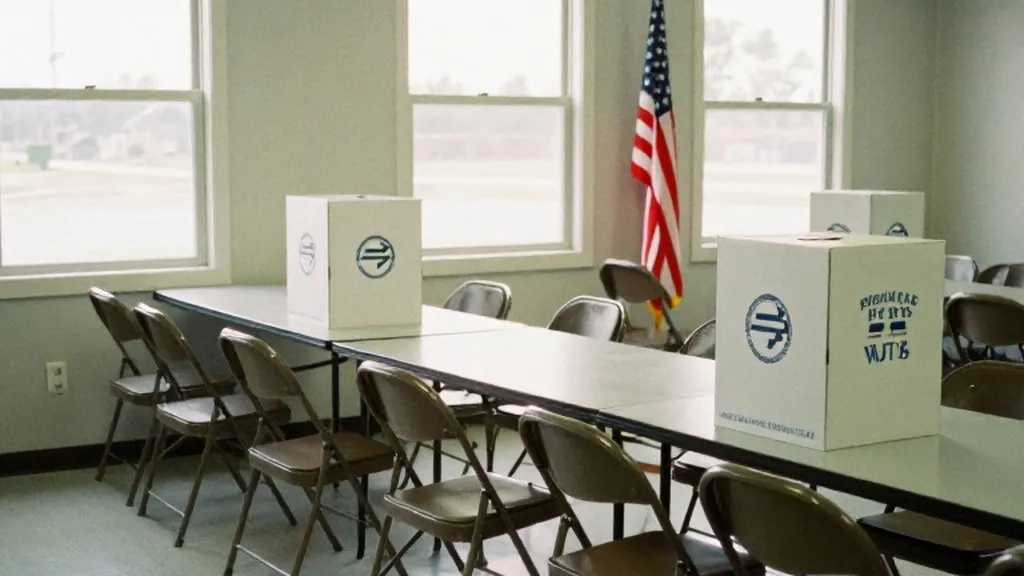
Voters in swing states face a complex ballot on November 3, as their support for President Donald Trump fractures along economic and foreign policy lines. A group of eleven swing voters, tracked over several years, has cast their ballots in a split that mirrors national polling data. Their choices range from unwavering Republican loyalty to strong Democratic support, driven by specific concerns about inflation and the war in Iran.
Gerald, a Georgia voter who supported Trump in 2024, cast his ballot on the first day of early voting. He rated the president's performance an A+++ and selected Republican candidates for every available office. Gerald stated he voted for Mike Collins for Senate and Rick Jackson for governor. He noted that in one instance where only a Democrat ran unopposed, he wrote in his own name rather than give a Democrat his vote.
Wally, also in Georgia and a 2024 Trump supporter, offers a contrasting view. He has given the president an F in every check-in since March. Wally cited inflation as his top issue, expressing a lack of confidence that any single politician could solve it. He voted for Democratic Senate incumbent Jon Ossoff and gubernatorial candidate Keisha Lance Bottoms. Wally described the current congressional leadership as stealing money from the public and called for wholesale change in both the midterm and the next presidential election.
The group’s overall sentiment leans toward dissatisfaction. When asked to describe the country in one word, voters used terms like messy, divided, disarray, and scary. Only two of the eleven voters reported being happy with Trump's second term. Theresa, a Pennsylvania voter who switched from Joe Biden in 2020 to Trump in 2024, gave the president a C-. She cited the duration of the war in Iran as the primary reason, noting that the president had predicted it would last only a few weeks.
Economic factors remain a decisive variable for some voters. Lee, a Nevada resident who supports Trump, gave the president an A- despite concerns about the length of the Iran conflict. Lee recently found new employment, which improved his economic outlook and pushed his political views further to the right. Conversely, Quintero, another Nevada voter who supported Trump in 2024, is swinging back to Democrats for the 2026 midterms. This shift highlights that the 2024 base does not guarantee reliable Republican votes for House, Senate, and governor races.
In Pennsylvania, four voters who supported Trump in 2024 are now divided. Three plan to vote for Democratic Governor Josh Shapiro, who is seeking re-election. Theresa, one of those voters, said she will stick with Shapiro because she is familiar with him, though she acknowledged she might change her mind. John, the only Pennsylvania voter in the group supporting the Republican governor, described the country as anxious. He predicted a future of investigations, impeachment talk, and gridlock in Washington if Democrats win, stating he is unsure if the country can afford that dynamic right now.
Stephen, living in Pennsylvania's competitive 1st Congressional District, plans to re-elect Republican Representative Brian Fitzpatrick but vote for Shapiro for governor. He indicated he might write in a name for other offices. The divergence among these voters illustrates the challenge facing Republicans as they attempt to translate presidential sentiment into legislative victories without the president on the ballot.