G20 envoys gather in Atlanta as U.S. prepares for possible new Iran strikes
Diplomats face deep divisions over trade and security while Russia's presence draws criticism ahead of the December leaders summit.
By Camila Herrera ·
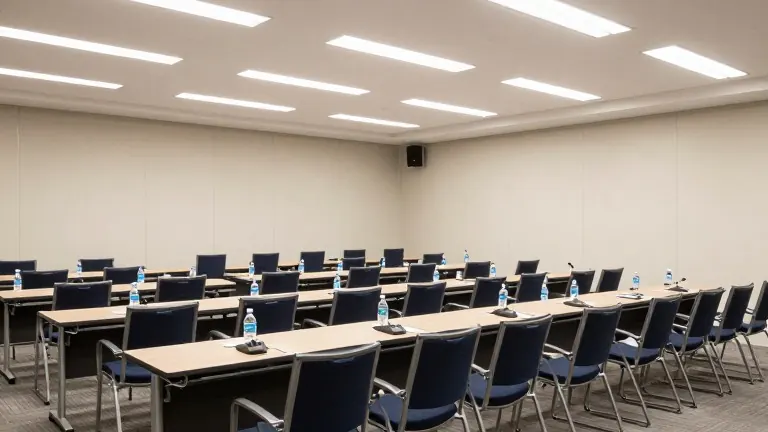
G20 diplomats are convening in Atlanta this week with little prospect of agreement on major global conflicts.
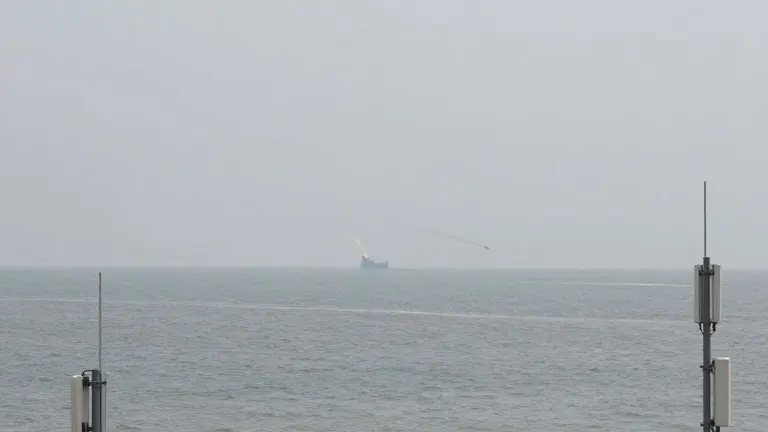
U.S. Secretary of State Marco Rubio will chair the two-day meeting on Friday and Saturday. The gathering aims to prepare for a leaders summit hosted by President Donald Trump at his golf club in Miami in December. Officials say the top priority is resolving differences over freedom of navigation in key waterways. These include the Strait of Hormuz, the Red Sea, the Black Sea, and the South China Sea.
The atmosphere is tense due to potential new U.S. military action in Iran. U.S. officials have told several Middle East countries and allies to prepare for renewed strikes after the midterm elections. This prospect has put G20 member Saudi Arabia on edge. The group also faces disagreements over U.S. tariffs, Chinese activity in the South China Sea, and the ongoing war in Ukraine.
Russia's participation has generated friction. Foreign Minister Sergey Lavrov will represent Moscow, while China is sending a deputy foreign minister. Russian officials stated that visa issues for their delegation were resolved at the last minute. Spokeswoman Maria Zakharova said these complications created the impression that not everyone in Washington was happy about Lavrov's attendance. She added that he will advocate for swift reform of global economic institutions and promote a multipolar world.
Ian Kelly, a former U.S. ambassador to Georgia, called the invitation politically boneheaded. He noted that many Republican lawmakers are cranky with Trump's conciliatory approach to Putin. Kelly warned that Lavrov's presence will likely hurt efforts to produce a unified Western approach on the Russia-Ukraine war. Ukraine, which is not a G20 member, was not invited to the Atlanta meeting. South Africa, which chaired the group last year, is also missing due to disputes with the administration.
The State Department described the event as a chance to advance practical cooperation on shared economic and security challenges. However, Elaine Dezenski of the Foundation for Defense of Democracies expressed skepticism about reaching consensus. She said the meeting is more of a test than a traditional negotiation session. Dezenski noted that the U.S. can build coalitions outside the G20 framework to advance its foreign policy goals.
The meeting will assess whether the U.S. can turn shared economic security concerns into meaningful cooperation without full member consensus. The G20 includes the world's largest economies, but internal divisions over wars and trade have widened. The outcome of these discussions will set the tone for the December summit in Florida.