Lula wins Brazil runoff, Bolsonaro challenges
The incumbent secured 64 million votes despite a chaotic polling day, while his rival seeks annulment and the US President questions the tally.
By William Turner ·
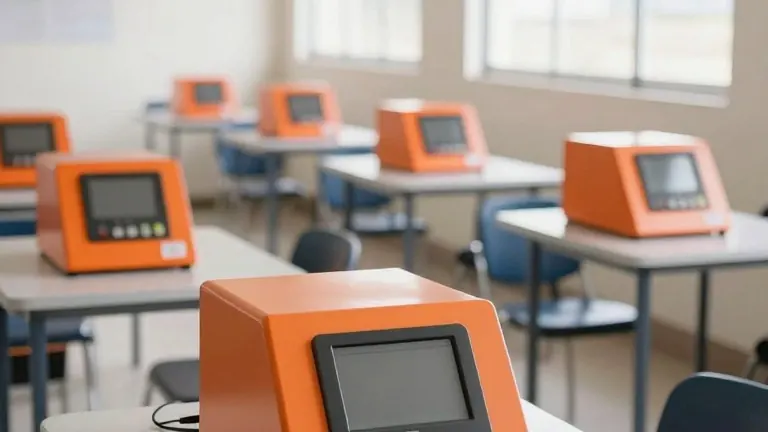
President Luiz Inácio Lula da Silva won Brazil’s presidential runoff on Sunday with 64 million votes, defeating Sen. Flávio Bolsonaro by nearly 4 percentage points. Bolsonaro immediately moved to contest the outcome, requesting an annulment of the election. President Donald Trump joined the skepticism on Monday, stating without evidence that the vote looked "rigged" and that the tabulation process appeared "very bad."
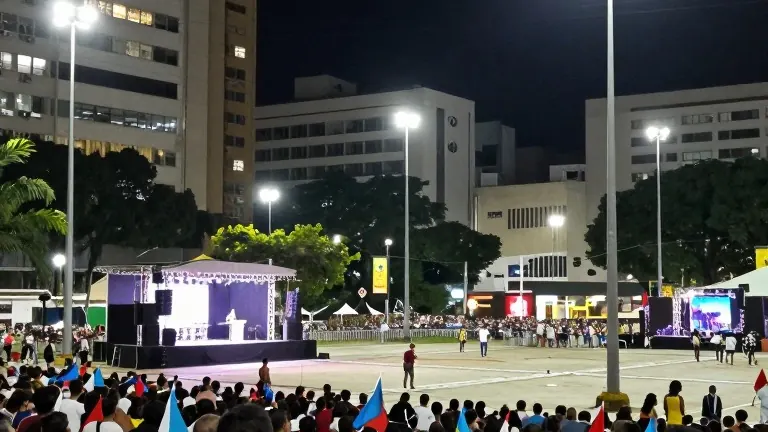
The election cycle began with a first-round contest that saw record abstentions. However, the second round drew 14.1 million additional voters, a surge that shifted the balance. Analysts estimate that three-quarters of these late-arriving ballots went to Lula. This influx came after Lula’s campaign, led by lawmaker André Janones, launched an aggressive digital operation on WhatsApp to mobilize uncommitted voters and former non-voters.
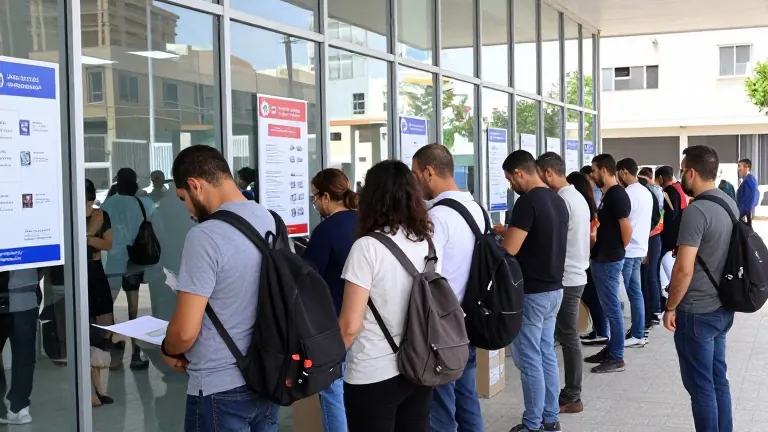
The path to the final count was disrupted by a last-minute decision to extend voting hours nationwide. The Supreme Court authorized the extension minutes before the 5 p.m. deadline, citing transportation issues in Sao Paulo and Salvador for Lula, and heavy rains in the south for Bolsonaro. Many polling stations learned of the change only as they were closing, delaying the usually rapid tallying process that relies on electronic machines introduced in the 1990s.
Despite the procedural chaos, regional leaders and Brazil’s electoral authority, headed by Kassio Nunes, recognized Lula’s victory quickly. Nunes, who was appointed by former President Jair Bolsonaro, signaled that the results were legitimate. Conservative leaders in the region also indicated they would respect the outcome, suggesting that a formal legal challenge would face steep odds.
Flávio Bolsonaro visited his father, former President Jair Bolsonaro, who is serving a 27-year sentence for a coup attempt, on Monday. The younger Bolsonaro remains in the Senate until January, when his term ends. His party holds the most seats in the right-wing Congress, a position that may complicate Lula’s agenda. Lula is scheduled to take office on Jan. 5, 2027, for his fourth non-consecutive term.
The 2026 election marked the first time since 1989 that a candidate trailed in the first round to win the runoff. Lula’s gains were strongest in lower-income municipalities where his support base is established. The victory positions him as a counterweight to the right-leaning trend in the region, particularly as his rival had pledged to align more closely with the Trump administration.
Source: ABC News